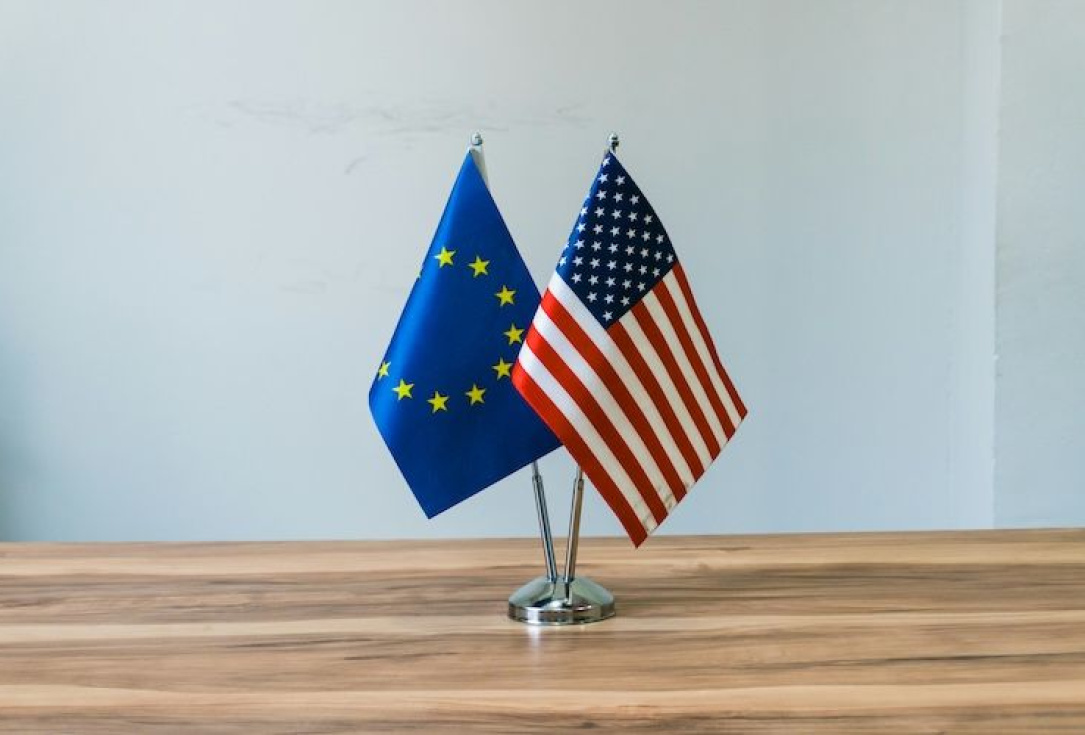
European leaders have rejected any US-Russia effort to redraw the continent’s security architecture without them. The pushback follows remarks by President Donald Trump on 5 November that Washington could be nearing an agreement with Moscow extending beyond Ukraine to “all of Europe.” Trump offered no details, calling the prospective deal “big” and “beautiful.” The comments came as US envoy Jared Kushner said Washington was working on a broader European security framework to underpin lasting peace.
European officials responded quickly. EU foreign policy chief Kaja Kallas said in Warsaw that Europe already has a security architecture in place, that the problem is Russia’s repeated breaches of the treaties underpinning it, and that “Putin does not have a veto over European security.” She added that the EU must be involved for any deal to be implemented. Polish Foreign Minister Radoslaw Sikorski called an arrangement over Europe’s head “impossible,” while Ukraine’s Foreign Minister Andriy Sybiha said Moscow cannot be a guarantor of European security and that the focus should be on protecting Europe from Russia, not negotiating spheres of influence.
The dispute is unfolding as US-led talks between Kyiv and Moscow are set to resume in Abu Dhabi next week. Earlier this week, US representatives held two days of discussions in Brussels with NATO, EU and major European officials on security guarantees for Ukraine. Kushner, who joined by video link, said Washington would consult Europeans on the sidelines of the Abu Dhabi talks and, if progress is made, move towards a broader multilateral format including them.
The underlying tension is that Europe’s concerns echo Russia’s pre-invasion demands. Before the February 2022 invasion, Moscow issued an ultimatum calling for fundamental changes to European security arrangements, including the withdrawal of NATO forces from countries that joined after 1997. NATO rejected these demands. Today, Ukraine wants credible guarantees against future aggression, Moscow still seeks limits on NATO’s presence in Eastern Europe, and European governments are determined not to reward aggression or undermine Ukraine’s sovereignty.
The Abu Dhabi talks will test Washington’s ability to reconcile these competing demands. For now, reactions from Warsaw, Brussels and Kyiv make clear that any deal negotiated mainly between Washington and Moscow would face significant resistance.
At DMX Associates, we are monitoring developments in European security policy and the Ukraine peace negotiations. Stay up to date via our website and LinkedIn page.