On November 24-25, Luanda, Angola, hosted the seventh African Union-European Union summit. The summit was chaired by the leaders of the African Union and the European Union, Mahamoud Ali Youssouf and Ursula von der Leyen, respectively. As the 25th anniversary of EU-AU cooperation, the convention drew business leaders as well as heads of state and other prominent political figures from across the two continents.
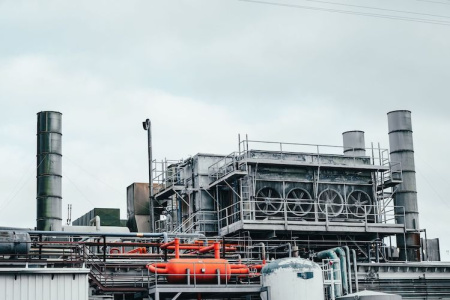
Driven by fears of increasing economic competition from China and weariness of the United States' tariffs, leaders from the two blocs looked to deepen economic cooperation. Also high on the agenda was the issue of critical materials, such as minerals and rare earth metals. Leaders from both continents endorsed the idea of developing African facilities to process and refine raw materials to increase efficiency in commerce. This goes against the historical pattern of raw material exports from Africa to Europe, where they are further processed into value-added goods. European leaders as well as Commission President Ursula von der Leyen explicitly endorsed this new model, stating that “We invest in local jobs and local value chains—this is Europe’s model.”
The European Union’s Critical Raw Materials Act, as well as its Global Gateway infrastructure investment strategy, both support more investment in African raw materials processing capability. Global Gateway included over 150 billion euros earmarked for African infrastructure development, of which much is still in the process of dispersal. European leaders emphasised working towards renewable energy as well as green industrial hubs. Additionally, 15.5 billion euros were pledged by the European Union to support the delivery of electricity to 100 million Africans by the year 2030.
Leaders also discussed wars in various countries such as Sudan and the DRC, and emphasised their commitment to peace and economic development across Africa. The summit can be seen as a further continuation of Europe’s de-risking strategy vis-à-vis China, as well as the African Union’s Agenda 2063 industrialization plan. A joint implementation plan will be developed in six months, and additional planning for the construction of infrastructure and industrial facilities is still taking place.
DMX closely tracks major funded initiatives and political developments launched by international institutions such as the European and African Unions. Keep an eye on our website and LinkedIn for the latest news.