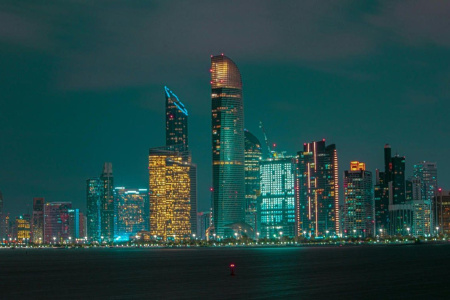
Chad is stepping up efforts to attract Gulf investors as it advances a new five year national development strategy known as “Chad Connection 2030”. The plan was presented to international investors during a Chad–UAE Trade and Investment Forum held in Abu Dhabi, where the government positioned the programme as a platform for long term economic transformation.
Chad’s government says it is seeking to mobilise around $30 billion to fund the strategy and lift roughly 2.5 million people out of poverty. The investment pipeline includes 268 projects and reforms across the economy, spanning infrastructure delivery and changes to improve the investment environment.
President Mahamat Idriss Déby Itno framed the initiative as a partnership offer rather than a high risk bet, highlighting the country’s ambition to secure external capital while reshaping its development trajectory. The authorities are also linking the plan to a broader push to improve the business climate, including reforms intended to make investment rules and administration more predictable.
The plan is structured around four pillars. Priorities include expanding transport, energy, water, and digital infrastructure, strengthening social development such as health, education and employment, and diversifying the economy to reduce reliance on oil. A fourth pillar focuses on improving the business environment through reforms that support investment and modernise elements of the tax and labour framework.
Several targets outlined in the plan underline the scale of ambition. Chad aims to raise the electrification rate to 60 percent nationwide and 90 percent in urban areas within five years, largely by scaling solar power, while also extending access to drinking water to 11 million additional people. On the digital side, the government is targeting 80 percent internet coverage by 2030 and increasing the mining sector’s contribution to GDP to 5 percent by 2030, according to CNN.
DMX closely follows Gulf to Africa investment flows and the policy reforms that shape project pipelines across EMEA. Stay tuned to our website and LinkedIn page for further updates on investment trends and sovereign development priorities.