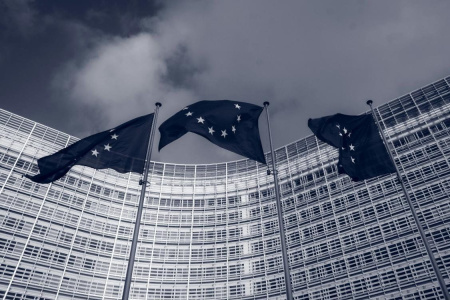
The United States and European Union face mounting friction over technology regulations, as the Trump administration challenges European rules perceived as targeting American firms. Recent EU penalties under the Digital Markets Act (DMA) and Digital Services Act (DSA) total approximately €800 million against US tech giants: Apple faced €700 million (split as €500 million for App Store practices and €200 million for Meta on data consent), while X (formerly Twitter) received a €120 million fine
President Donald Trump has urged the EU to relax constraints on US technology companies while advocating for reduced domestic oversight to prioritize artificial intelligence advancement and national security. The Trump Administration has warned of countermeasures, including penalties on European tech entities, visa restrictions for EU regulators, and potential market access limits should enforcement persist. US Trade Representative officials have criticized the EU's approach as comprising "harassing lawsuits, taxes, fines, and directives" aimed at American providers.
This tech regulation rift traces back to Trump's initial term, catalyzed by the 2018 GDPR rollout and subsequent antitrust measures. Vice President JD Vance has condemned the EU's actions against platforms like X as assaults on free speech principles. Elon Musk similarly described the penalties as “excessive.” The EU has so far maintained its regulatory stance, initiating new investigations into Meta and Google in recent months.
European policymakers regard these measures as essential to counter Big Tech consolidation, contrasting with the US preference for lighter-touch policies fostering innovation. Both US and EU based observers anticipate sustained pressure, positioning technology as a pivotal element in ongoing US-EU trade negotiations.
DMX closely monitors US-EU regulatory developments and their repercussions for global markets. Stay informed via our website and LinkedIn page.