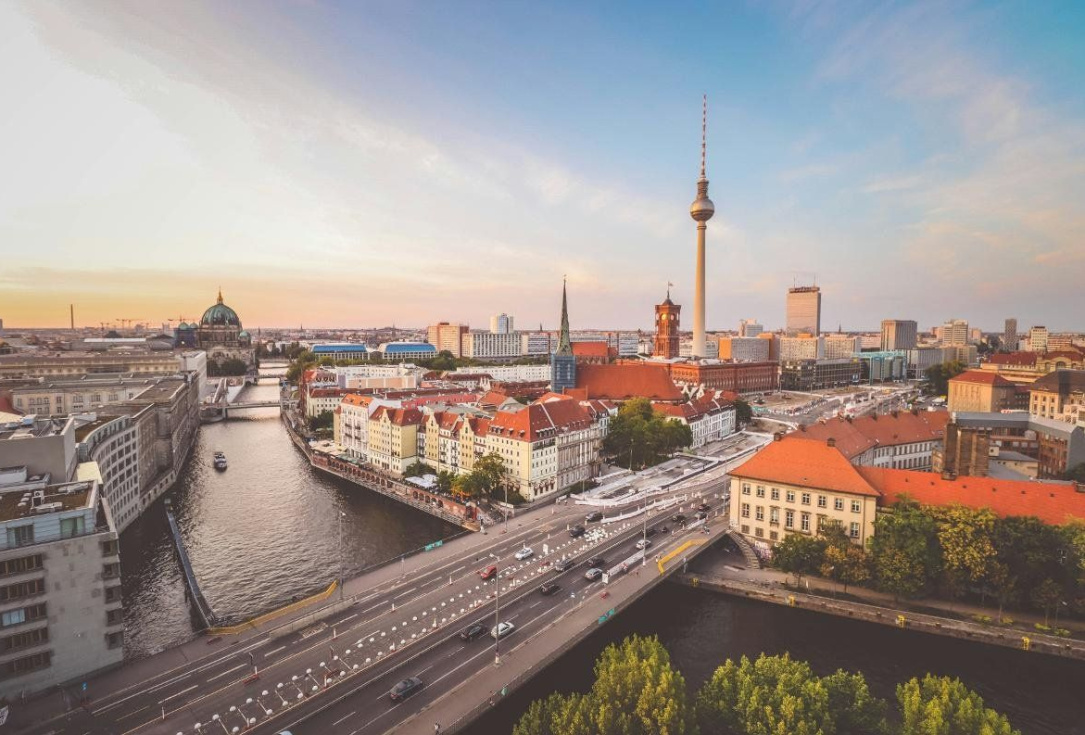
European leaders gathered in Berlin on Wednesday for a summit that underscored one of the continent's most pressing diplomatic challenges: agreeing on who should represent Europe if and when ceasefire negotiations between Ukraine and Russia get underway. The so-called E5 meeting — bringing together the leaders of Britain, France, Germany, Italy, and Poland — is widely regarded as a critical trial run ahead of a NATO summit with Donald Trump in Turkey next month, with diplomats indicating that Ukraine peace talks could begin within weeks.
The question of format has rapidly become a source of friction. French President Emmanuel Macron has championed the E3 grouping of Britain, France, and Germany as the natural lead, pointing to their military capabilities — including British and French nuclear deterrence — and their central role in the Coalition of the Willing, which provides security commitments to Ukraine. German Chancellor Friedrich Merz echoed this position, noting that the E3 is Ukraine's preferred grouping for the core of any ceasefire framework.
Poland and Italy, however, have pushed back firmly. Polish Prime Minister Donald Tusk, mindful of the Normandy Format under which the failed Minsk agreements were negotiated without Warsaw's involvement, was unequivocal. "Poland will not respect any arrangements made without its participation," he said, a position backed by Italian Prime Minister Giorgia Meloni. Their intervention has given momentum to the broader E5 format as the vehicle for representing European interests.
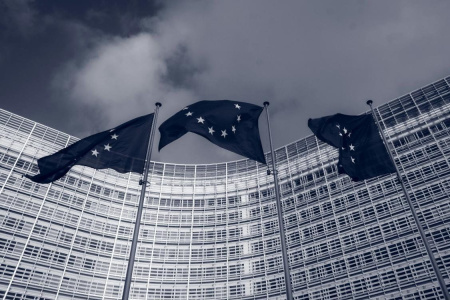
Adding further complexity, European Council President António Costa and Commission President Ursula von der Leyen have pressed for formal EU institutional involvement, with Macron acknowledging that Brussels may ultimately need a role on specific issues such as sanctions policy and the future of frozen Russian assets.
Ukraine's President Volodymyr Zelenskyy has also weighed in, insisting that Kyiv will have the final say on which European representatives sit at any negotiating table. Relations between Zelenskyy and Tusk have meanwhile hit a low over a dispute concerning wartime atrocities, adding a further layer of sensitivity to an already complex diplomatic picture.
The summit also produced concrete steps to strengthen Ukraine's air defences, including commitments around Patriot PAC-2 interceptor systems.
At DMX Associates, we are closely tracking developments in European security and diplomacy and their implications for business and policy across the region. Stay up to date via our website and LinkedIn page.