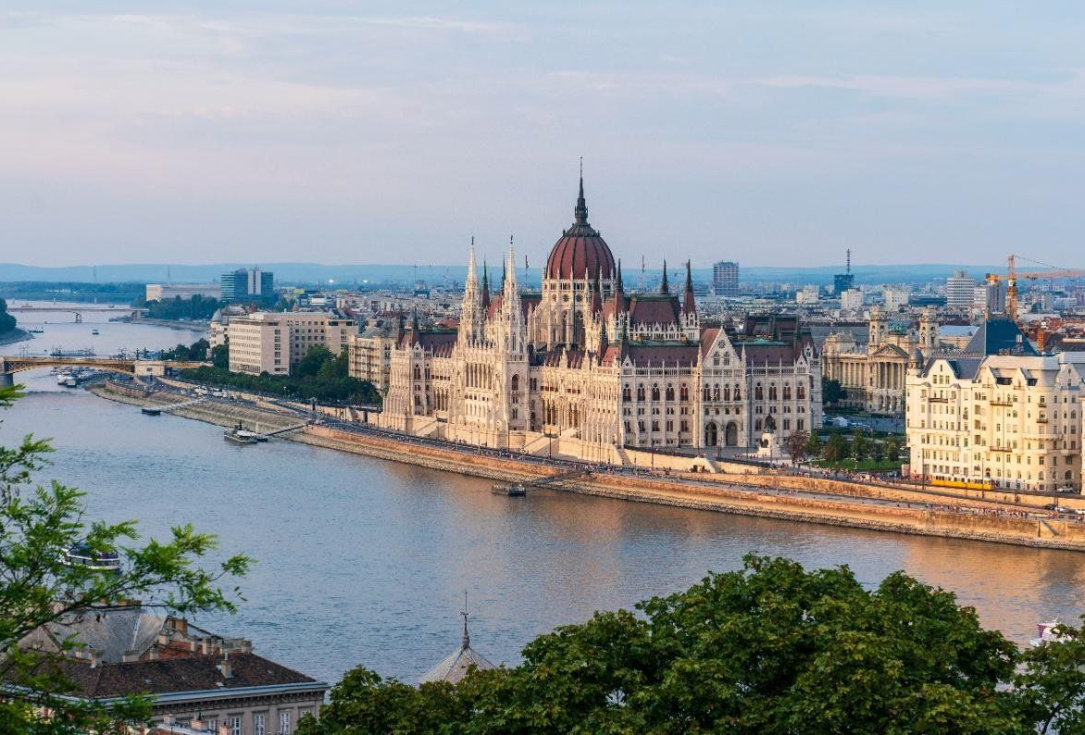
Hungary's general election on April 12, 2026 delivered a landmark result, ending Viktor Orbán's 16-year tenure as Prime Minister. Péter Magyar's centre-right Tisza party secured a two-thirds parliamentary supermajority, winning 138 of 199 seats on 53.6% of the vote, with turnout reaching approximately 77% — the highest since the fall of communism. Magyar has targeted May 5 for government formation and is already in direct talks with European Commission President Ursula von der Leyen.
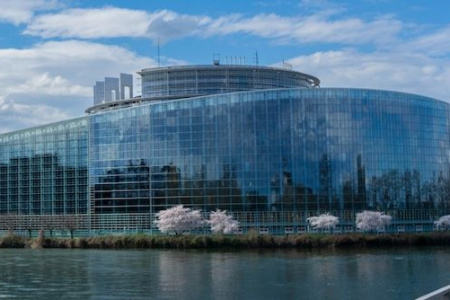
For businesses with European exposure, the result represents a meaningful shift in the EU's decision-making environment. Orbán's government had become a persistent source of friction inside Brussels, repeatedly vetoing or delaying key decisions on Ukraine financing, Russia sanctions, and EU enlargement. That dynamic is now set to change.
The most immediate consequence is the likely unblocking of approximately €17–18 billion in EU funds frozen over Hungary's democratic backsliding. Magyar has made releasing these funds his government's top priority, committing to join the European Public Prosecutor's Office, restore judicial independence, and ensure press freedom. For companies with exposure to Hungarian infrastructure, construction, and energy transition markets, a significant pipeline of stalled EU-funded projects is now positioned to restart.
On sanctions, the change of government substantially reduces the recurring veto risk that has shadowed every six-month renewal of the EU's Russia sanctions regime. The asset freeze on over €210 billion of Russian central bank funds, along with travel bans and sectoral measures covering more than 2,400 individuals and entities, will no longer face routine disruption. The EU's stalled 20th sanctions package — centred on a maritime services ban related to Russian petroleum products — is now considerably more likely to advance, though negotiations over scope and carve-outs among southern member states will continue.
A further consequence of the election result is the expected release of the €90 billion EU loan to Ukraine, which Orbán had blocked as part of his broader strategy of confrontation with Brussels and Kyiv. Magyar has signalled he will not maintain Hungary's previous blocking stance, representing a significant positive development for Ukraine's near-term financing outlook.
Magyar is a pragmatic centre-right leader rather than an ideological pivot toward Brussels. Hungary's dependence on Russian energy will be phased out gradually, with a 2035 timeline indicated — an orderly transition rather than an abrupt shift. The overall direction of travel is toward greater predictability and a more functional EU consensus, a constructive development for businesses monitoring sanctions risk, compliance planning, and investment across the European region.
At DMX Associates, we are closely monitoring Hungary's transition and its implications for EU policy, sanctions architecture, and market conditions across Europe. Stay up to date via our website and LinkedIn page.