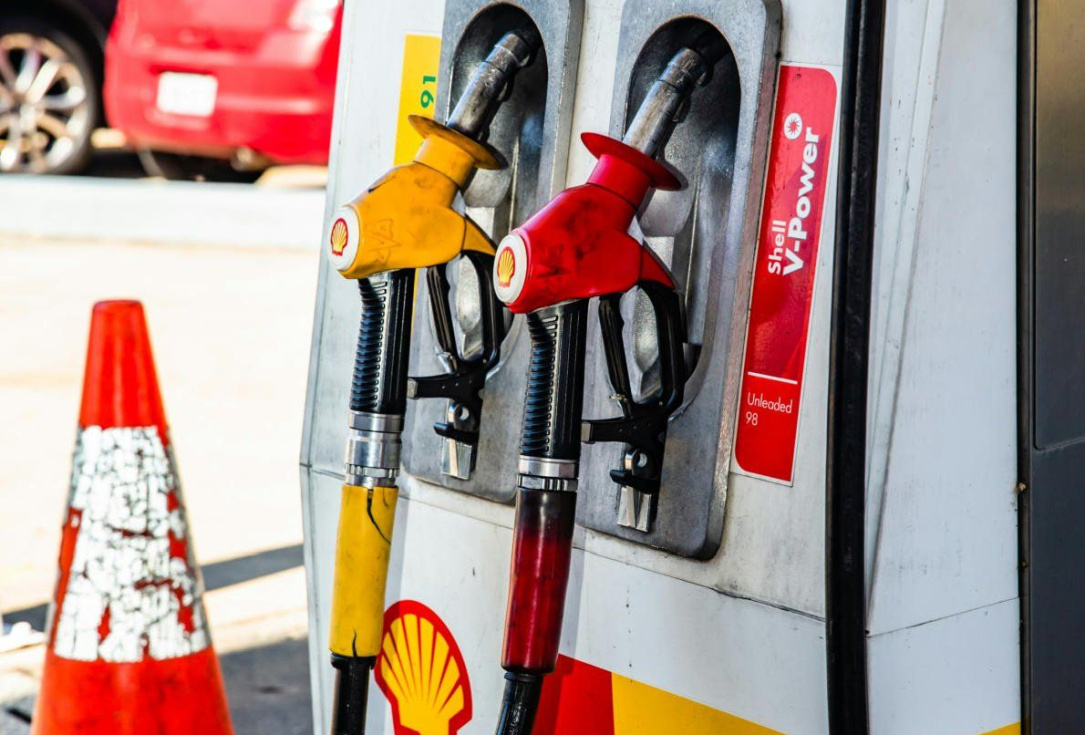
American drivers are feeling the consequences of the ongoing Iran conflict at the pump, with the national average price of regular gasoline surpassing $4 a gallon for the first time since August 2022. According to the AAA motoring organisation, the price now stands at $4.02 — more than a dollar higher than the $2.98 average recorded before hostilities began on 28 February 2026. Diesel has risen even more sharply, climbing from $3.76 to $5.45 a gallon, a surge that analysts warn will feed directly into higher food costs given diesel's central role in the transportation of goods.
The primary driver behind the price spike is the effective closure of the Strait of Hormuz, the critical maritime chokepoint through which approximately 20% of the world's daily oil consumption and a fifth of global LNG supply normally flows. Since coordinated US and Israeli strikes on Iran triggered the crisis, shipping traffic through the strait has fallen to near zero, sending crude oil prices surging toward $120 a barrel and placing significant strain on energy supply chains worldwide. Seasonal demand has compounded the pressure, with the AAA also citing elevated spring break travel as a contributing factor to rising pump prices in recent weeks.
While current prices remain below the record highs of $5.01 for gasoline and $5.81 for diesel set in June 2022 in the aftermath of Russia's invasion of Ukraine, ratings agency Moody's has cautioned that the impact on household budgets could prove more damaging on this occasion. With the labour market softer and wage growth weaker than in 2022, consumers have less financial resilience to absorb sustained energy costs. "If the conflict is contained soon, the hit to confidence may be temporary," Moody's analysts noted, warning that a prolonged crisis could prompt more precautionary saving and a pullback in discretionary spending.
The effects are being felt well beyond US borders. UK petrol prices have risen 14% since the war began, with diesel up 27%. Nations including Sri Lanka and Bangladesh have introduced fuel rationing, and Slovenia has become the first EU member state to follow suit. Australia, meanwhile, has halved its fuel sales tax for three months and is offering temporary free public transport in two states to reduce demand at the pump.
At DMX Associates, we are closely monitoring the evolving situation across the Middle East and its implications for global energy markets, trade flows, and broader business conditions. Stay up to date via our website and LinkedIn page.