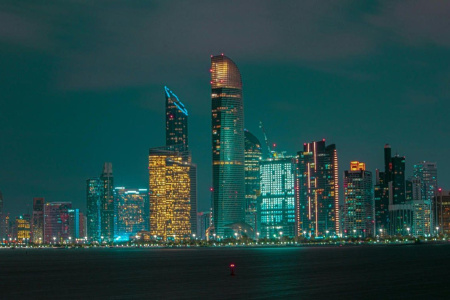
Ras al-Khaimah, an hour north of Dubai, blends preserved fishing villages with a futuristic twist: Wynn Resorts' 350-meter casino, set to open next year as one of the world's largest. This marks the UAE's bold diversification from oil, building on its tourism boom and expat hub status.
Last month, civil code amendments eased gambling restrictions, following the gaming regulator's first online betting license in November. Despite Islam's prohibition and past money-laundering scrutiny, rulers see opportunity in high-spending visitors and residents. Dubai hosted a record 19.5 million tourists last year (up 5%), with Ras al-Khaimah eyeing 5.3 million by decade's end. Average spend? $1,414 per UAE visit—topping Las Vegas or Macau.
The UAE's 11 million population is 90% foreign, including nearly 10,000 new millionaires last year (Henley & Partners), with $63 billion in wealth. Wynn projects $1.7 billion annual gross gaming revenue from its site alone. CEO Craig Billings highlighted UAE's AI infrastructure investments drawing wealthy tech talent.
Sports wagering and online betting—half of U.S. gaming revenue—add potential, with local platform Play971 already licensed. Yet challenges loom: strict licensing demands five-year plans and high capital, overseen by ex-Las Vegas execs wary of money-laundering. Post-2024 FATF grey-list removal, the UAE prioritizes financial credibility.
DMX monitors UAE gambling reforms alongside investment flows and policy shifts shaping EMEA project pipelines. Check our website and LinkedIn for ongoing analysis of these trends.