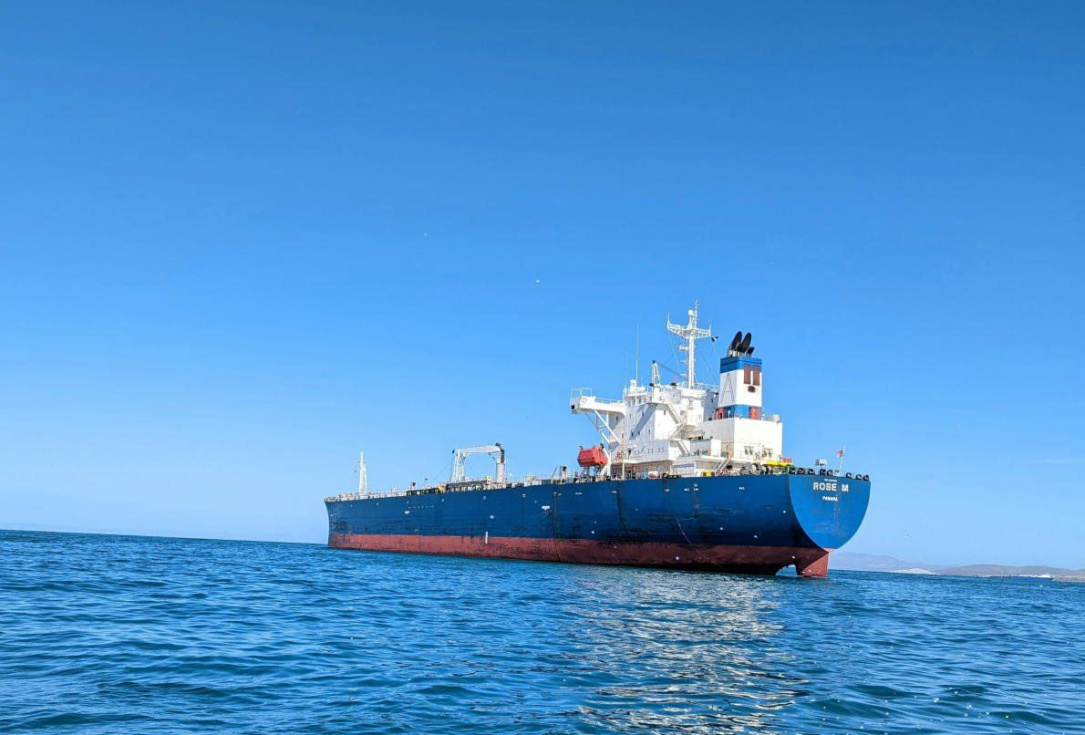
The closure of the Strait of Hormuz has triggered Europe’s sharpest energy shock since 2022, pushing Dutch TTF gas futures to around €50 per megawatt-hour, a 60% jump since US and Israeli strikes on Iran. This surge is hitting when gas inventories are already at some of their lowest seasonal levels in years, leaving policymakers and markets unusually exposed.
Why Hormuz Matters for Europe
Roughly 20% of global oil supply and about one-fifth of global LNG volumes pass through the Strait of Hormuz, making it a critical energy corridor. For Europe, Qatar’s share of around 15% of total LNG imports means any sustained disruption to Gulf flows has direct implications for energy security. Since 2022, the EU’s pivot away from Russian pipeline gas has increased its reliance on seaborne LNG, deepening exposure to Gulf and shipping-route risks.
Inflation and Growth Impact
Higher energy prices are expected to filter through to headline inflation across Europe in 2026. Oxford Economics estimates the current shock could lift eurozone inflation by 0.3–0.5 percentage points to roughly 2.3% and shave around 0.1 percentage points off GDP growth, bringing it close to 1.0%. Goldman Sachs reaches similar conclusions, projecting a 0.1–0.2 percentage point hit to growth across the eurozone, UK, Sweden and Switzerland, with significantly larger effects under more severe price scenarios.
Logistics and Trade Disruptions
The conflict is also disrupting container shipping and air freight along key Europe–Asia corridors. Major carriers such as Hapag-Lloyd, MSC and CMA CGM have suspended or restricted bookings to Gulf ports, leaving around 100 container vessels stranded in the Persian Gulf and pushing up freight costs. At the same time, threats to Red Sea routes are diverting vessels back around the Cape of Good Hope, while reduced capacity at Gulf aviation hubs like Qatar Airways Cargo, Emirates SkyCargo and Etihad has already driven air freight rates from Southeast Asia to Europe more than 6% higher in recent days.
Currency and Policy Implications
Rising risk aversion is weighing on European currencies as investors move into the US dollar and gold. The euro has fallen about 1.8% against the dollar since the conflict escalated, with sharper moves in Central and Eastern Europe where the Hungarian forint and Polish zloty have dropped around 5% and 3.5% respectively. Further depreciation would compound imported inflation and complicate the ECB’s task; in a severe energy-price scenario, Goldman Sachs sees scope for renewed rate hikes in late 2026 to contain second-round inflation effects.
A Fragile Post-Russia Energy Balance
For European policymakers and investors, the Iran conflict underlines how the post-Russia energy pivot has traded one dependency for another. With gas storage low and the seasonal refilling cycle underway, any prolonged disruption to Gulf energy flows could quickly transmit through prices, logistics and currencies, reinforcing macroeconomic fragilities across the continent.
DMX closely tracks how geopolitical shocks in the Gulf and wider Middle East feed through to European energy markets, logistics networks and macroeconomic conditions. Stay tuned to our website and LinkedIn for further updates on investment implications and sovereign risk developments as the situation evolves.