A ceasefire in the Iran war has offered financial markets a moment of relief, but energy analysts warn that a swift return to normal oil and gas flows from the Middle East remains unlikely. US President Donald Trump agreed on Tuesday to a two-week truce, conditional on Iran pausing its blockade of the Strait of Hormuz — the narrow waterway that typically handles around one-fifth of global oil trade. Iran's foreign minister Abbas Araqchi confirmed Tehran would halt counter-attacks and guarantee safe passage for vessels transiting the strait.
Markets responded positively to the news. Japan's Nikkei index jumped 5% to a one-month high, while Brent crude prices fell roughly 13% to around $95 a barrel as traders priced in a near-term easing of supply risks. The relief, however, may prove short-lived. Iran launched further attacks on Israel and Gulf states shortly after Trump's announcement, underscoring the fragility of the agreement. The conflict, now in its sixth week, has claimed more than 5,000 lives and caused severe damage to critical regional infrastructure, including oil and gas facilities.
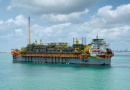
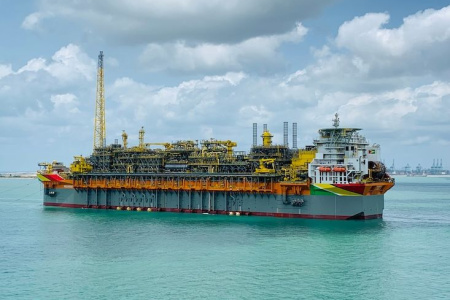
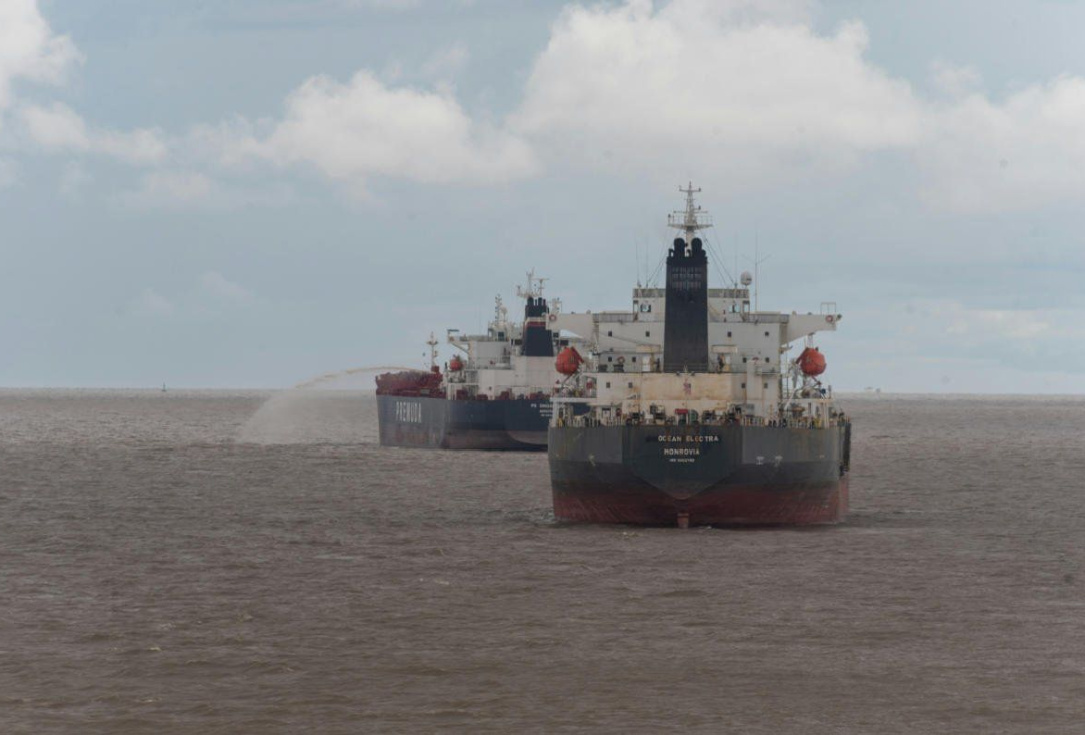
One immediate benefit of a Hormuz reopening would be the release of a significant backlog of trapped energy supplies. Approximately 130 million barrels of crude oil, 46 million barrels of refined fuels, and 1.3 million tonnes of liquefied natural gas are currently stranded on around 200 tankers in the Gulf, according to analytics firm Kpler. For Asia — which depends on the Middle East for 60% of its oil and 80% of its gas imports — the release of these cargoes would ease the most acute pressure on industrial output and fuel supply chains.
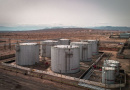
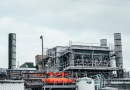
However, persuading shipowners to return vessels to the region during an uncertain ceasefire presents a significant challenge, and restoring full production will take considerably longer. Middle East oil exports through Hormuz collapsed by around 13 million barrels per day in March, with an estimated 7.5 million barrels per day of regional output shut in entirely. Restarting oilfields at that scale is a complex process taking weeks at minimum, while refineries and export terminals damaged by missile and drone strikes may require months or years to repair.
Even under a more optimistic scenario involving a permanent cessation of hostilities, analysts at MST Marquee estimate the global oil market could remain 3 to 5 million barrels per day tighter than pre-war projections for several years to come.
At DMX Associates, we continue to monitor developments across the Middle East and their implications for global energy markets, trade, and business strategy. Stay up to date via our website and LinkedIn page.