The European Union has proposed a comprehensive new package of sanctions designed to further isolate Russia’s economy, targeting critical revenue streams in the energy sector, closing financial loopholes, and cracking down on trade circumvention. The announcement comes as the bloc seeks to tighten the economic noose ahead of the fourth anniversary of the war in Ukraine, with officials aiming to slash Russia's ability to fund its military operations.
Cracking Down on the "Shadow Fleet" and Energy Revenues
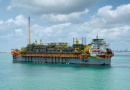
A central pillar of the new package is a concerted effort to dismantle Russia’s "shadow fleet" of oil tankers, which Moscow uses to bypass existing price caps. The proposal includes listing an additional 43 vessels, bringing the total number of blacklisted ships to 640. Furthermore, the EU intends to introduce a full maritime services ban on Russian crude oil. Recognizing shipping as a global industry, officials stated this ban would be enacted in coordination with G7 partners. "It will slash further Russia's energy revenues and make it more difficult to find buyers for its oil," the proposal outlines. Additional measures include bans on maintenance and services for LNG tankers and icebreakers, specifically aimed at hindering future gas export projects.
Tightening the Financial Net
The package also aggressively targets the financial sector, identified by officials as a critical vulnerability for Moscow. The measures include:
-
Banking Restrictions: The listing of 20 additional Russian regional banks.
-
Crypto Clampdown: New measures against cryptocurrencies and trading platforms to close avenues for asset hiding and transfer.
-
Third-Country Facilitators: Sanctions targeting banks in third countries that are found to be facilitating illegal trade in sanctioned goods.
"This is Russia's weak point, and we are pressing hard on it," the statement noted, emphasizing the goal of restricting Russia’s ability to create alternative payment channels.
Trade Bans and Anti-Circumvention Measures
The proposal introduces significant new trade restrictions covering goods worth nearly €1 billion combined.
-
Exports: New bans on exports to Russia include rubber, tractors, and cybersecurity services, valued at over €360 million. Crucially, restrictions will also apply to battlefield technologies and materials used for explosives.
-
Imports: The EU plans to ban imports of Russian metals, chemicals, and critical minerals worth over €570 million, alongside a new quota on ammonia.
In a first for the EU's sanctions regime, the bloc will activate its "Anti-circumvention tool." This will prohibit the export of high-risk items—specifically computer numerical control (CNC) machines and radios—to jurisdictions deemed to have a high risk of re-exporting these products to Russia.
Legal Safeguards and Economic Context
The package introduces new safeguards to protect EU companies from unfair expropriation and abusive legal rulings in Russia. Officials underscored the effectiveness of current sanctions, noting that Russia's oil and gas revenues fell by 24% in 2025 to their lowest level in five years, while interest rates remain high at 16%.
Unwavering Support for Ukraine
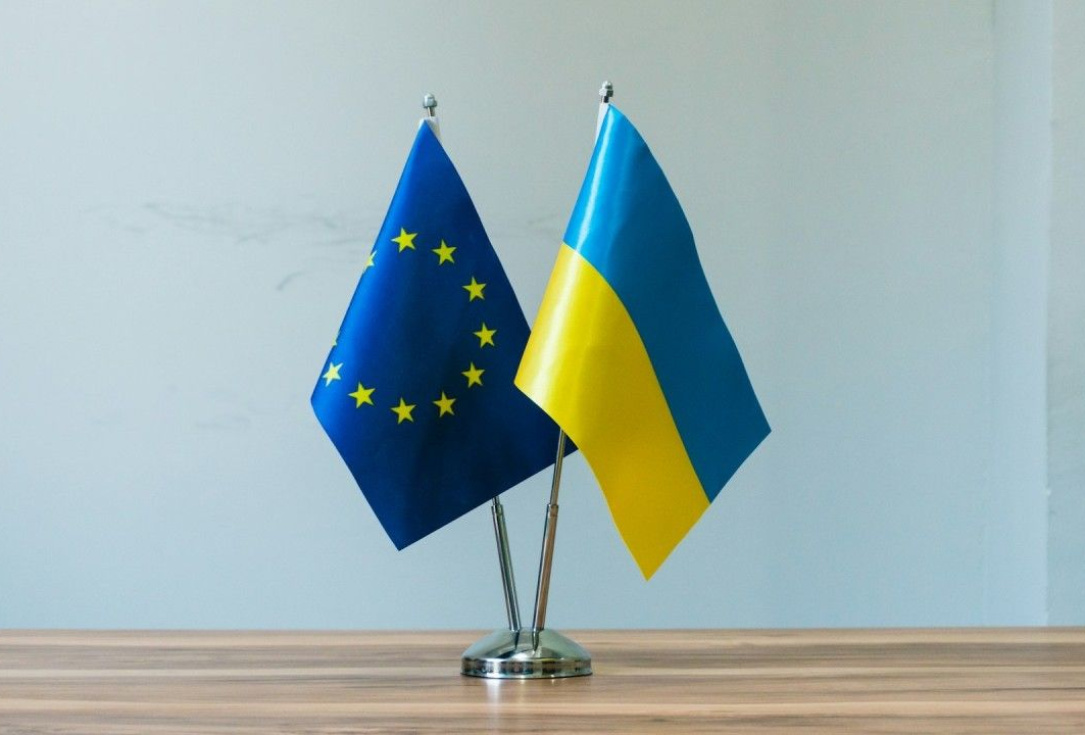
Beyond economic pressure, the EU reaffirmed its commitment to Kyiv through the delivery of generators and a newly adopted €90 billion loan. Working alongside the U.S., the bloc is also advancing a "Prosperity Framework" to support Ukraine's post-war recovery and long-term security.