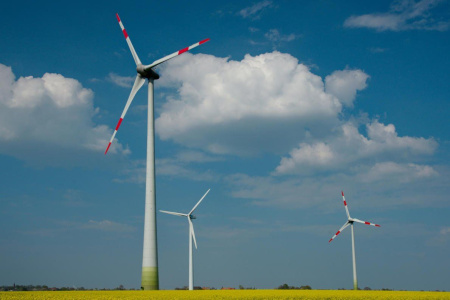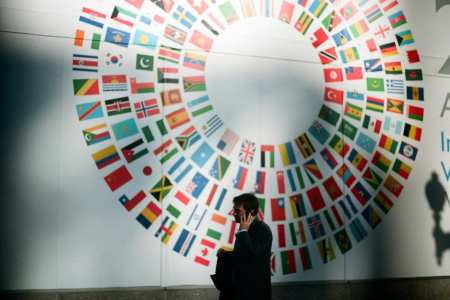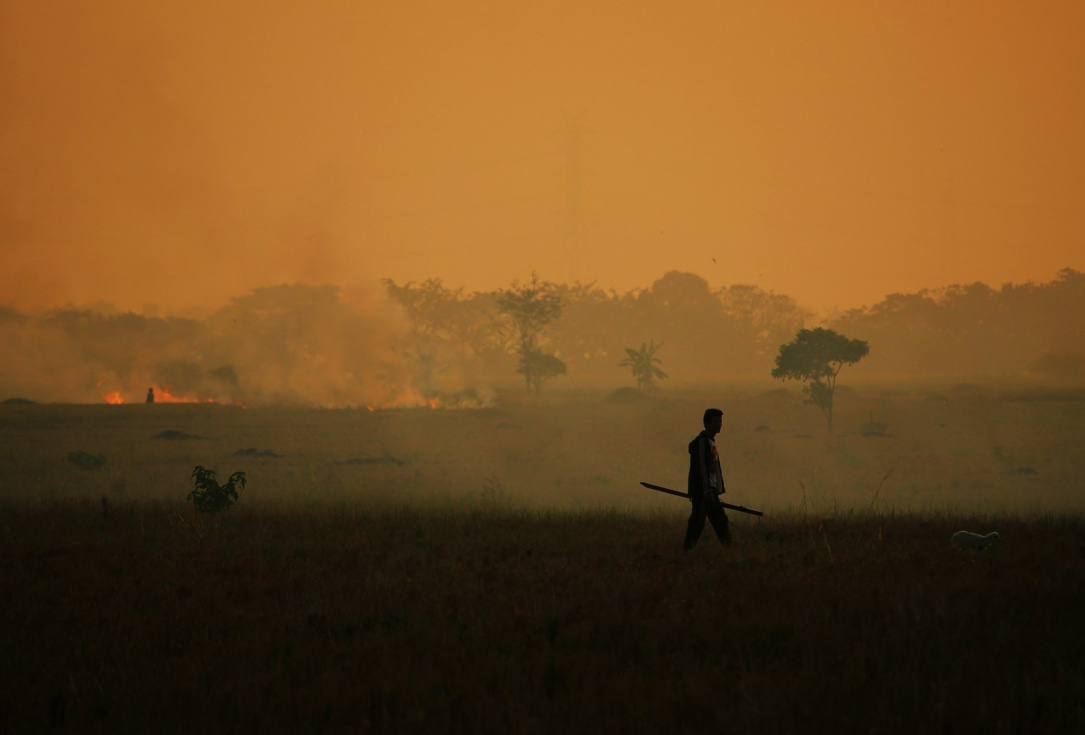
Multilateral development banks (MDBs) delivered a record $137 billion in climate finance in 2024, a 10% increase from the previous year, according to the 2024 Joint Report on Multilateral Development Banks' Climate Finance published today by the European Investment Bank (EIB) together with other MDBs. Most of this financing went to low- and middle-income economies, which received $85.1 billion, marking a 14% year-on-year increase and more than double the level recorded five years ago. High-income economies received $51.5 billion.
MDBs also mobilized an additional $134 billion in private finance for climate action in 2024, up 33% from 2023. In low- and middle-income economies, 69% of funding supported mitigation efforts such as clean energy, while 31% went to adaptation projects aimed at building resilience. In high-income countries, the focus remained overwhelmingly on mitigation (90%).
“Africa is pushing the pedal on actions that transform Africa's green potential in energy, nature-based solutions, innovation and a vibrant workforce,” said Anthony Nyong, African Development Bank Director for Climate Change and Green Growth. “And we are putting climate adaptation at the heart of this effort. At the African Development Bank, we are walking the talk, we continuously meet our climate finance annual target and over half of our climate finance goes to helping African countries build resilience, protect livelihoods, and secure a climate-resilient future, while still investing in a greener future."
The findings come ahead of COP30 in Belém, Brazil in November 2025, where climate finance is expected to take centre stage. At COP29 in Baku, governments agreed to scale up support for developing countries to at least $1.3 trillion annually by 2035 from public and private sources.
The report was prepared by the EIB with contributions from the European Bank for Reconstruction and Development, the African Development Bank Group, the Asian Development Bank, the Asian Infrastructure Investment Bank, the Council of Europe Development Bank, the Inter-American Development Bank Group, the Islamic Development Bank, the New Development Bank, and the World Bank Group.
The report comes as MDBs are taking steps to increase the transparency of their climate financing through a digitalization initiative that will make their data more accessible and user-friendly.
At DMX Associates, we track major funding initiatives from MDBs. Follow our LinkedIn page to stay up to date.