The mobile industry gathered in Doha for MWC26 with two big tasks: building the networks that artificial intelligence needs, and bringing millions of people online who still lack mobile internet.
A new report from industry body GSMA says the mobile economy in the Middle East and North Africa (MENA) could reach €421 billion by 2030. In 2025, mobile technologies and services generated about €340 billion, supported 2.2 million jobs and added around €35.8 billion to public finances. Yet only 48% of the population used mobile internet last year, while 49% stayed offline despite living in areas with network coverage. The challenge is no longer just building networks, but making sure people can afford and use them.
The event runs alongside the International Telecommunication Union’s Plenipotentiary Conference, the first time the two gatherings share a location. Despite uncertainty over the US-Iran war, strong opening-day turnout suggests connectivity remains a business priority.
AI is adding pressure. Qatar’s communications minister said AI agents require more resilient networks and stronger computing power. GSMA Director General Vivek Badrinath said progress must be shared by all, through common standards across borders and efforts to connect those offline. He admitted the industry fell short on affordability: hopes of $50 smartphones are now unrealistic because AI demand has pushed up memory prices. Still, operators are expected to invest about €80 billion in MENA between 2025 and 2030.
SandboxAQ CEO Jack Hidary said AI is moving into the physical world, including healthcare, energy and finance. His company recently struck a deal with Anthropic and won a €449 million US Commerce Department R&D award focused on batteries, magnets and semiconductor materials.
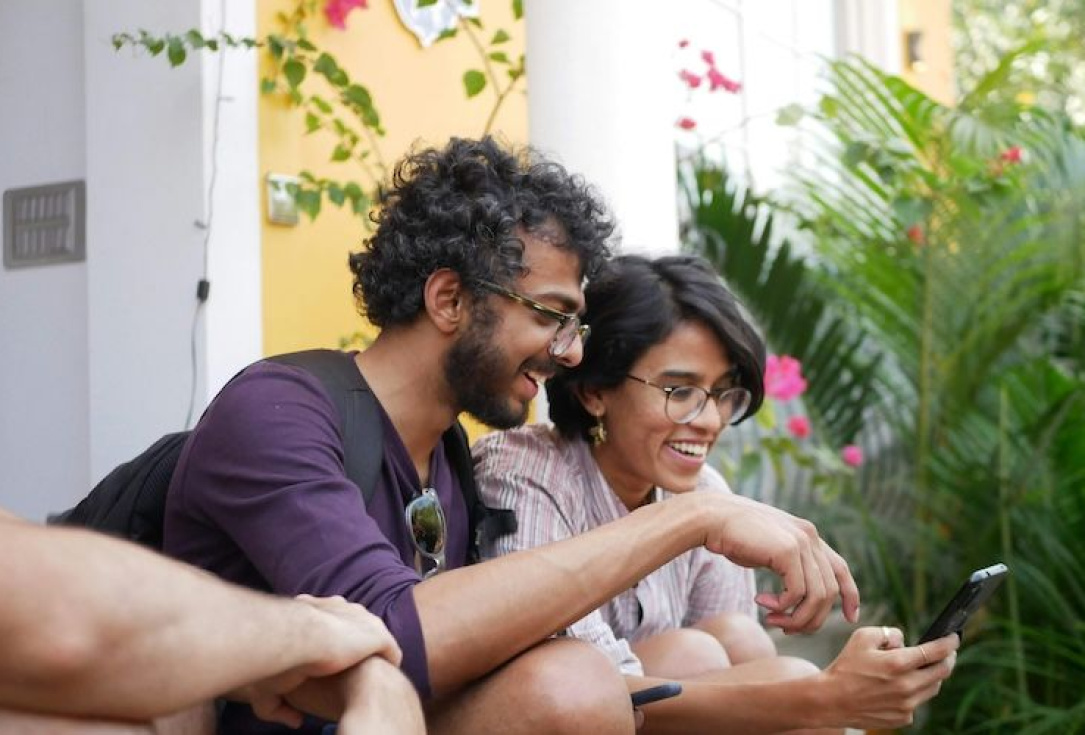
A UNDP Egypt representative warned that women, people with disabilities, rural communities and vulnerable young people risk being left behind. She said governments must address phone affordability, data costs and digital skills.
Financial services show how connectivity can help. Ooredoo Fintech’s CEO said over 20% of Qatar’s international remittances go through its products, helping migrant workers send money home safely. In the Maldives, it became the first fintech to let gig workers receive US dollar payments through PayPal.
Finally, GSMA’s 5G report found that 17 of the region’s 24 markets had launched 5G by September 2026. Connections are expected to grow from 67 million in 2025 to nearly 350 million by 2030.
At DMX Associates, we are monitoring developments in the MENA telecom and digital economy, including 5G rollout, AI infrastructure and digital inclusion.