As the International Monetary Fund prepares to publish its flagship World Economic Outlook in Bangkok, the headline message is one of stability. Beneath the forecasts, however, a fierce debate is unfolding over Africa’s debt burden, the austerity measures attached to it, and the growing cost for ordinary citizens.
The IMF expects growth in sub-Saharan Africa to remain above four percent. Yet that figure masks a deepening liquidity crisis. In some African countries, servicing debt now absorbs between 30 and 50 percent of tax revenues. This leaves far less for hospitals, roads and schools, while billions of dollars flow to foreign creditors.
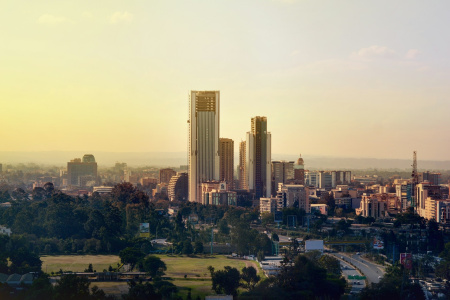
The Fund’s recommendations remain largely unchanged: broaden tax bases, cut unbudgeted subsidies and rebuild fiscal buffers. But the political and social cost of such policies is mounting. In Kenya, tax increases triggered deadly protests. In Nigeria, currency devaluation and subsidy cuts contributed to soaring food prices and nationwide strikes. From Ghana to North Africa, subsidy reductions have pushed households closer to the brink.
African finance ministers are now pushing back. They are urging the G20 and multilateral lenders to enforce a strict six-month timeline for debt restructuring under the Common Framework, the mechanism designed to help distressed countries renegotiate their obligations. They are also calling for the suspension of IMF loan surcharges and for meaningful debt-service relief, without further demands for austerity.
The debate in Bangkok reaches well beyond growth forecasts. At its core is a question of who will bear the cost of Africa’s debt. Lenders argue that fiscal discipline is essential to restoring market confidence and attracting investment. African ministers counter that without substantial relief, governments risk pushing citizens into deeper hardship and fuelling further unrest.
The outcome of these discussions will shape not only fiscal policy across the continent but also the balance between creditor expectations and social stability in the months ahead.
At DMX Associates, we are monitoring developments in African sovereign debt, IMF policy and emerging-market fiscal stability.
Stay up to date via our website and LinkedIn page.