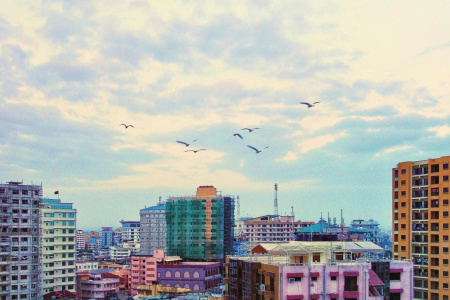
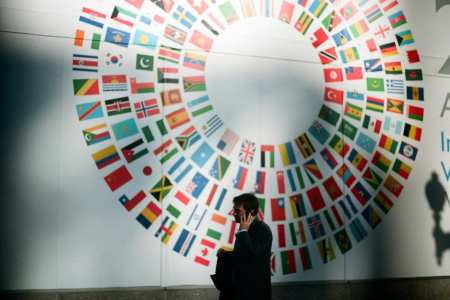
African heads of state, business leaders, and development partners met on January 27 and 28 in Dar es Salaam, Tanzania, for the Mission 300 Africa Energy Summit. They committed to ambitious reforms and actions to expand access to reliable, affordable, and sustainable electricity to 300 million people in Africa by 2030.
Mission 300 is a collaborative initiative led by the African Development Bank, the World Bank Group, and global partners to bridge Africa’s electricity access gap through innovative technologies and financing solutions. Nearly 600 million Africans currently lack electricity, which severely hinders development and job creation. The summit brought together over 25 Heads of State and Governments, Heads of international Organisation, including Banks, energy experts, and private sector leaders to forge a common path toward universal energy access. The summit’s key outcomes include:
- The Dar es Salaam Energy Declaration: outlines commitments from African governments to reform the energy sector through practical actions like expanding power infrastructure, incorporating more renewable energy, and incentivizing private sector participation. This declaration will be submitted for adoption at the African Union Summit in February.
- National Energy Compacts: twelve countries - Chad, Côte d'Ivoire, Democratic Republic of Congo, Liberia, Madagascar, Malawi, Mauritania, Niger, Nigeria, Senegal, Tanzania, and Zambia - presented their country-specific “national energy compacts,” expected to be in place by the end of 2025. These compacts include specific goals and timelines to expand electricity access, address utility efficiency, increase renewable energy generation, attract private investment, and provide clean cooking solutions. The plans also include deploying satellite and electronic mapping technologies to bring electricity to underserved areas. The twelve countries represent nearly half of the global population without electricity. Other African countries are expected to develop their compacts in subsequent phases.
- Financial Commitments: multilateral development institutions pledged substantial financial support for electrification efforts across the continent. The African Development Bank Group and the World Bank Group plan to allocate $48 billion in financing for Mission 300 through 2030, which may evolve to fit implementation needs. The Islamic Development Bank pledged USD 2.65 billion, Asia Infrastructure Investment Bank pledged USD 1.5 billion, the OPEC Fund pledged USD 1 billion with additional financing to follow, and Agence Française de Développement pledged USD 1 billion.
Dr. Akinwumi A. Adesina, President of the African Development Bank Group, emphasized the need for decisive action to accelerate electrification across the continent. “Critical reforms will be needed to expand the share of renewables, improve utility performance, ensure transparency in licensing and power purchase agreements, and establish predictable tariff regimes that reflect production costs. Our collective effort is to support you, heads of state and government, in developing and implementing clear, country-led national energy compacts to deliver on your visions for electricity in your respective countries.”
“Access to electricity is a fundamental human right. Without it, countries and people cannot thrive,” said Ajay Banga, President of the World Bank Group. “Our mission to provide electricity to half of the 600 million people in Africa without access is a critical first step. To succeed, we must embrace a simple truth: no one can do it alone. Governments, businesses, philanthropies, and development banks each have a role—and only through collaboration can we achieve our goal.”
Mission 300 is more than an energy initiative - it represents a collective commitment to uplift millions from poverty, foster inclusive economic growth, and create a resilient, green future. Its success will depend on robust support from all stakeholders, including governments, development partners, the private sector, and civil society.
DMX closely monitors big funding initiatives from multilateral banks and organisations. Keep an eye on our page to stay up to date with the latest news.