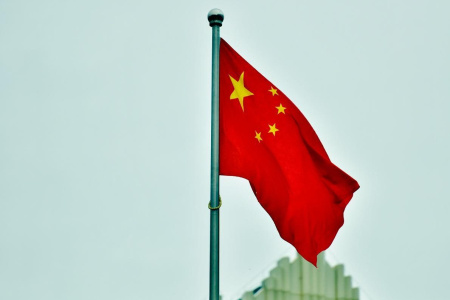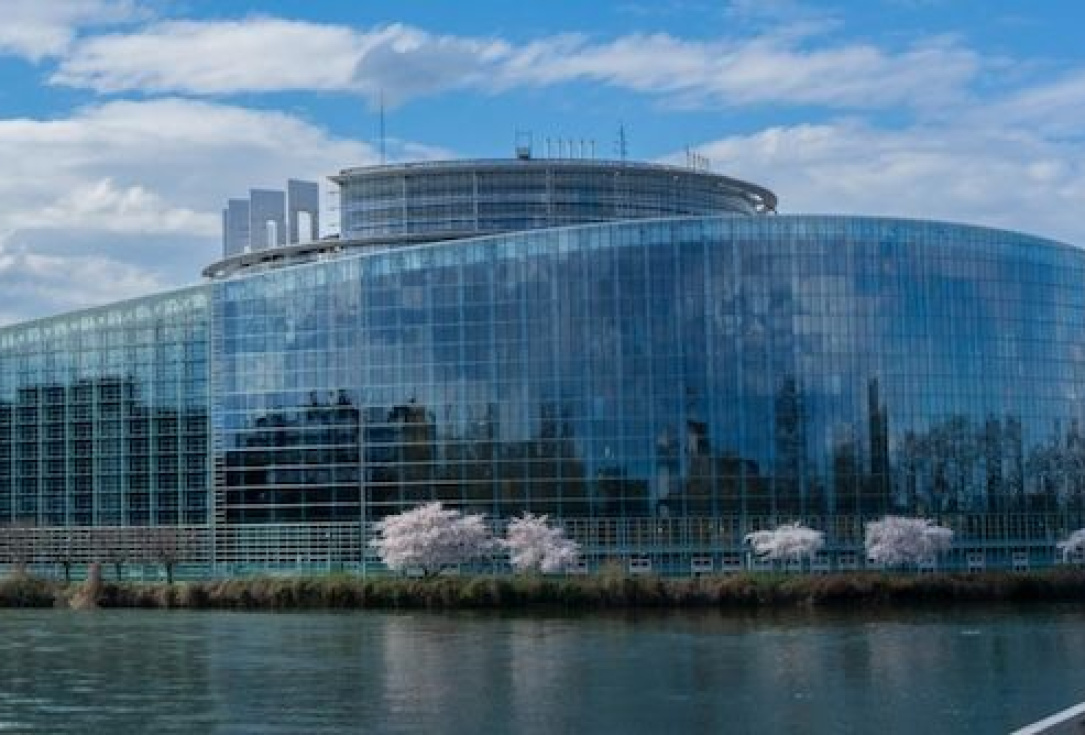
France and Germany have formally proposed new powers for the European Commission to confront mounting trade pressure from China. In a letter to Commission President Ursula von der Leyen, signed by President Emmanuel Macron and Chancellor Friedrich Merz, and accompanied by a policy paper on global economic imbalances, Paris and Berlin call for a "comprehensive framework" of new legal instruments that is lean and non-bureaucratic. The issue is due before EU leaders at next week's European Council summit, where both capitals will press for urgent action.
The push comes as Brussels describes its economic relationship with Beijing as unsustainable, with the EU's trade deficit estimated at around €1 billion a day in 2025. The EU has given China until this month to offer concessions. The paper warns that "a massive industrial shock" is hitting sectors central to Europe's economic model, including pharmaceuticals, aerospace, automotive, industrial machinery and chemicals.
The centrepiece is a new "systemic reaction" instrument that would restrict access to the single market, which Paris and Berlin regard as the EU's main leverage in negotiations with China. It would be country agnostic and capture market distortions of every scale, from a single production line to a whole sector, and from subsidies to currency manipulation. Crucially, it would be activated through comitology "unless a qualified majority is opposed," making it considerably easier for the Commission to act quickly.
The proposal has three further pillars:
Diversification: a dedicated instrument, already announced by von der Leyen in June, to reduce dependencies and prevent supply chain concentration by country, company or nationality of ownership.
Retaliation planning: an inventory of possible countermeasures and an assessment of their impact on each member state, recognising that a trade war with China would test EU unity.
Stronger trade defences: more investigations launched on the Commission's own initiative, additional staff and resources, and targeted changes to anti-dumping, anti-subsidy and safeguard rules to curb circumvention.
For businesses, the direction is clear: Europe is preparing a faster, more assertive trade toolkit. Companies exposed to Chinese supply chains or the affected sectors should expect regulatory volatility and a risk of retaliation.
At DMX Associates, we are monitoring developments in EU-China trade relations and European trade defence policy. Stay up to date via our website and LinkedIn page.