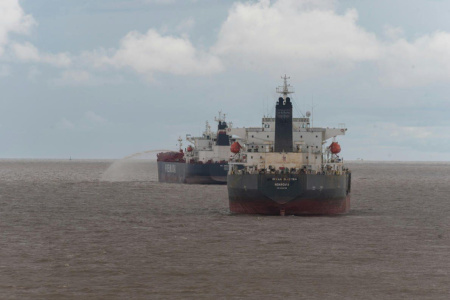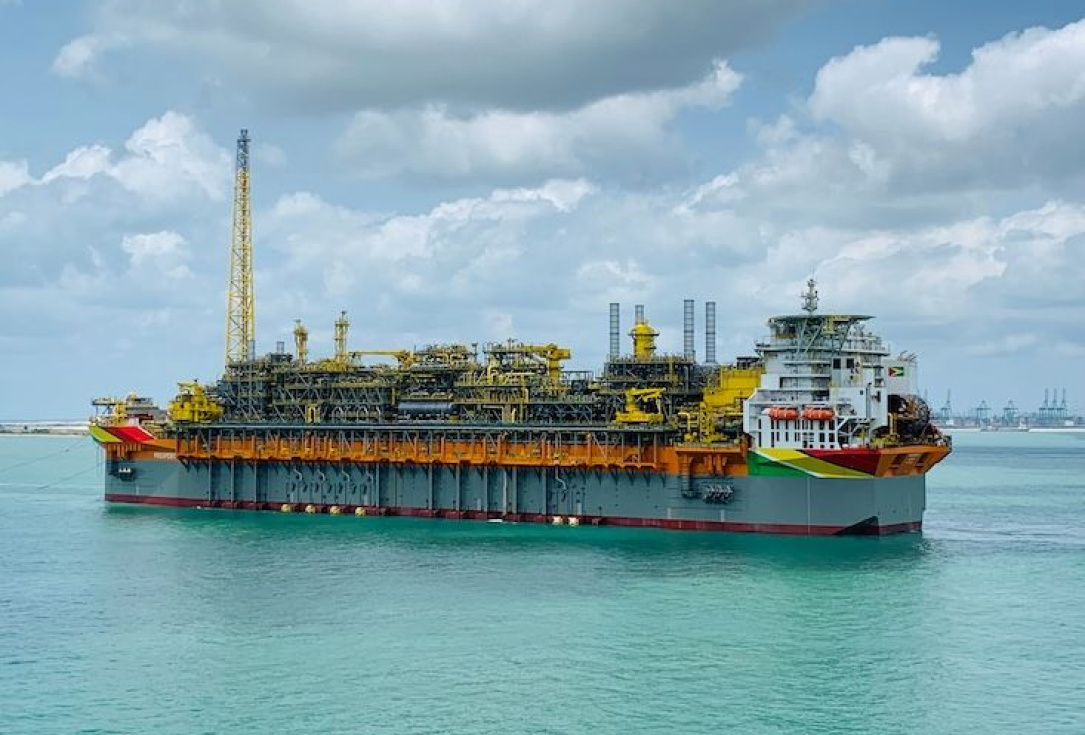
Crude oil exports from the Middle East Gulf region, excluding Iran, have returned to their pre-war average, according to maritime tracking firm Kpler. Between 1 and 28 September, at least 16.5 million barrels a day left the region. That matches the pre-conflict level and is 10.5 million barrels a day above March's monthly average. The figures cover crude oil and condensate.
The recovery owes much to a change in export routes. Around 40% of the region's exports now avoid the Strait of Hormuz, up from 17% before the war. Pipelines in Saudi Arabia and the United Arab Emirates are the main alternatives. Saudi Arabia's East–West pipeline carries crude from its eastern fields to the Red Sea terminal at Yanbu. It was shut on 11 September after strikes launched from Iraq and resumed on 22 September. The UAE's pipeline links Abu Dhabi's fields to Fujairah, a terminal on the Gulf of Oman outside the strait. Exports via the Red Sea have risen as exporters work around Iran's attempted blockade of Hormuz. Most crude that still crosses the strait changes tankers offshore.
Conditions remain far from normal. Iran continues to claim control of the waterway, and ships transiting without its authorisation risk attack, although more vessels are getting through and alternative routes are running at full capacity. A US blockade of Iranian ports continues to restrict a large share of Iran's own oil exports.
Prices reflect the strain. Brent futures for December delivery traded at $102.25 a barrel on Monday morning, with West Texas Intermediate at $90.50. Brent stood at around $72 before the war. The disruption has pushed up fuel prices worldwide and forced governments to look for alternatives. Last week, G7 countries agreed to an emergency release of 100 million barrels of oil.
On the supply side, the seven core members of OPEC+, including Russia, agreed on Sunday to keep production targets unchanged for November, as expected. According to OPEC's September report, these countries produced about 25 million barrels a day in August, up 630,000 barrels a day from July.
At DMX Associates, we are monitoring developments in global energy markets, Gulf export infrastructure and the security of key shipping routes.
Stay up to date via our website and LinkedIn page.